
Article Overview:
Adding another grain bin may seem like the obvious solution when storage gets tight during harvest. But more capacity does not always solve the issue creating pressure on the operation. This grain bin buying guide explains how producers can evaluate storage needs alongside drying, handling, airflow, layout, marketing plans, and future expansion before making the next investment.
Why More Storage Is Not Always The First Answer
When existing bins fill earlier than expected, it is easy to assume the farm simply needs more storage. Sometimes that is correct. In other cases, full bins are the result of a bottleneck elsewhere in the system.
A dryer that cannot keep pace can leave wet grain occupying storage longer than planned. Limited handling capacity may make some bins difficult to fill or empty efficiently. Slow loadout can also prevent grain from leaving the yard when needed.
Before adding capacity, identify where grain movement actually slows during peak harvest. Read our article Grain Storage Optimization: How Can You Improve Performance Without Major Upgrades? for additional ideas to improve existing infrastructure before committing to a larger expansion.
How Do You Know If Storage Capacity Is The Bottleneck?
Look at how the complete system performs when harvest is at its busiest.
If available bins consistently fill even while drying, conveying, and loadout equipment are keeping pace, additional storage may be justified. If grain backs up because one of those systems cannot keep up, another bin may only provide temporary relief.
For example, a producer may assume they need another 40,000 or 50,000 bushels of storage because wet bins keep filling during harvest. But if the dryer is already operating at full capacity and grain is arriving faster than it can be processed, the real limitation may be drying throughput. Adding another bin creates more temporary holding space, but it does not solve the slowdown that is causing grain to back up in the first place.
The goal is to determine whether the operation needs more bushels of storage or better use of the capacity already in place.

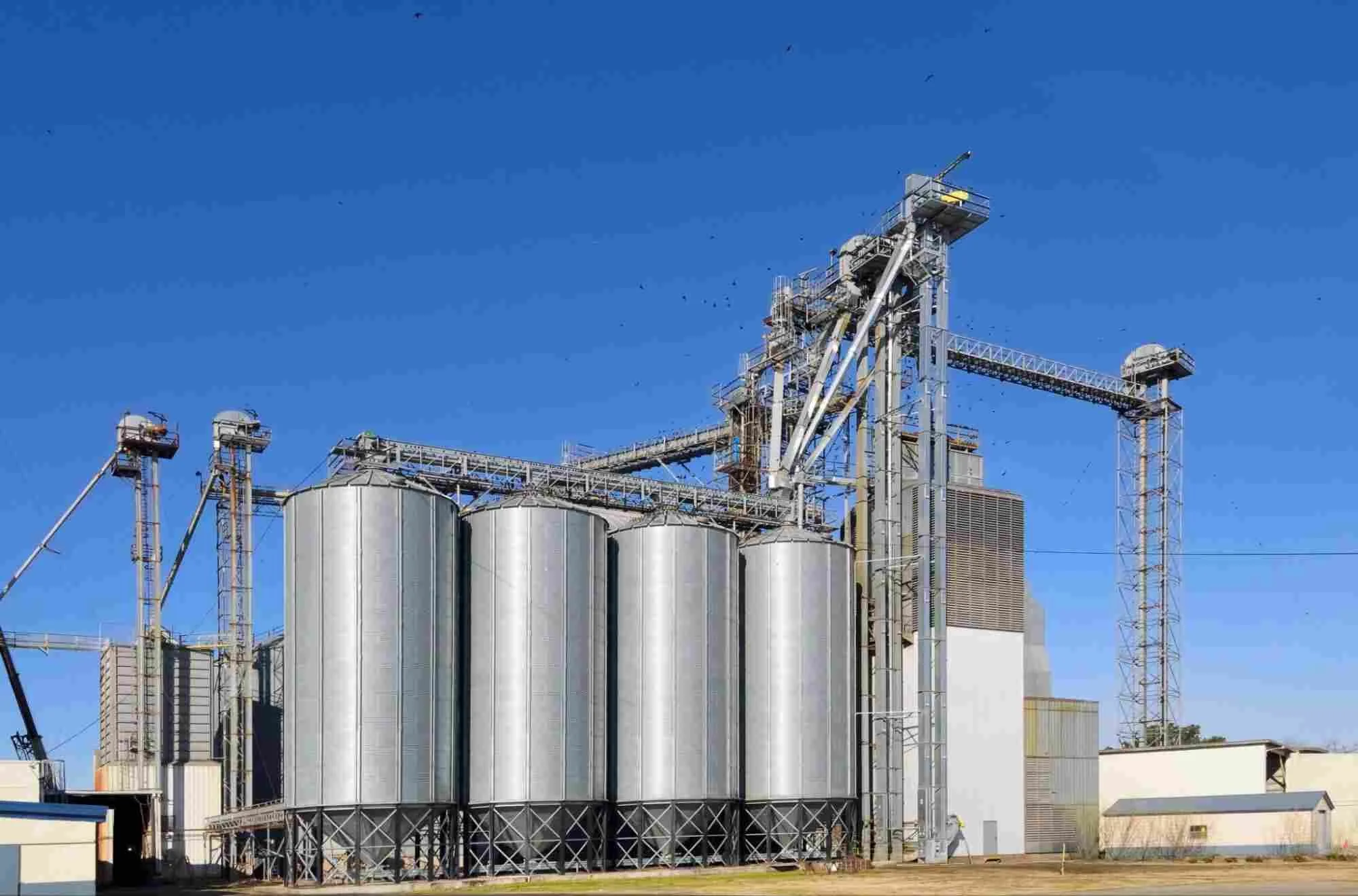
Grain bin buying guide showing large metal grain storage bins with an integrated grain handling system.
What Should A Grain Bin Buying Guide Help You Evaluate?
The right bin decision depends on more than diameter and total capacity. Producers should consider how the addition will affect the full operation.
| Planning Question | How It Affects The Operation |
|---|---|
| Is storage capacity actually the constraint? | Determines whether another bin solves the real problem or only adds temporary overflow space. |
| Can drying keep up with harvest? | Limited dryer throughput can cause wet grain to occupy storage longer and slow receiving. |
| Can handling equipment support another bin? | Conveyors, augers, receiving systems, and unload equipment must move grain efficiently. |
| Is the location right? | Bin placement affects truck movement, utilities, grain routing, and future expansion. |
| Is airflow properly sized? | Fan capacity, grain depth, and floor design affect conditioning and grain quality. |
| Does the bin support crop and delivering needs? | Storage should match segregation requirements, delivery timing, and expected holding periods. |
| Can the system expand from here? | New infrastructure should support future bins, handling equipment, monitoring, and drying capacity. |
Evaluating these factors together reduces the risk of adding capacity that creates new limitations elsewhere.
Why Drying And Handling Capacity Matter
Storage, drying, and handling capacity need to operate at compatible rates.
If combines and trucks deliver grain faster than the dryer can process it, wet holding fills quickly. If conveyors or unload equipment are undersized, grain may not reach the new bin fast enough to improve harvest flow.
Every additional storage location also creates another point that grain must reach and leave. Poor routing can mean longer conveyor runs, repeated auger moves, additional labour, and unnecessary transfers.
This is where Grain Handling System Design becomes important. By considering receiving, drying, conveying, storage, and loadout as one complete system, added capacity can improve overall flow rather than simply move the bottleneck.
How Does Bin Placement Affect Long-Term Efficiency?
A new bin should be positioned for more than today's needs.
Truck access, unloading direction, electrical service, fan placement, drainage, conveyor routing, and space for future storage all influence the best location. A convenient open space today may create an obstacle when the operation expands again.
Producers planning phased growth should read our article Scalable Grain Storage Systems: How to Grow Without Rebuilding for a closer look at planning storage infrastructure around future expansion.
Why Should Airflow And Monitoring Be Planned With The Bin?
More capacity means more grain value depends on maintaining stable conditions during storage.
Airflow requirements vary with bin diameter, grain depth, crop type, moisture, fan capacity, and floor design. A larger bin without properly planned aeration may not condition grain as effectively as expected.
Monitoring also helps producers identify changing temperature and moisture conditions before they develop into larger quality issues. Wall Grain’s Grain Management Systems can combine monitoring with fan control to support more precise conditioning decisions. This can help reduce unnecessary fan runtime and energy use, limit over-drying and shrink, reduce manual monitoring, and support more consistent grain quality during storage.
For additional storage management ideas, read Grain Storage Ideas to Improve Efficiency and Reduce Loss for practical ways producers can improve airflow, monitoring, handling, and overall storage performance without relying on added capacity alone.
How Should Storage Type Match The Operation?
Not every additional bin needs to serve the same purpose. The best choice depends on how grain moves through the operation and what role that storage needs to play during harvest and throughout the year.
Some farms need more long-term storage capacity for grain that may remain on site for months. Others need faster unloading, better crop segregation, wet holding ahead of the dryer, or more flexibility when several crops are moving at once. Those operating needs influence bin size, configuration, aeration requirements, unloading equipment, and placement within the yard.
A bin used mainly for wet holding may need to support frequent filling and unloading, while long-term storage places more emphasis on airflow, conditioning, and monitoring. Crop segregation can also influence whether multiple smaller bins provide more flexibility than one larger storage structure.
Our article What Are the Differences Between Grain Storage Silos and Bins? explains how different storage structures fit different capacities, grain flow requirements, and operating needs, helping producers match storage design to the way their operation actually works.
Why Should Storage Be Planned As Part Of The Complete System?
The strongest grain storage investments support more than additional capacity. They improve how grain moves, dries, conditions, and leaves the operation.
Before construction, consider where future bins could go and whether electrical, handling, drying, aeration, and monitoring infrastructure can expand with them. Planning those connections early can reduce the need for costly equipment relocation or system redesign as the operation grows. Wall Grain's Grain Storage Systems can be planned around the complete operation so each addition supports long-term efficiency and growth.
Build Capacity Where It Delivers The Most Value
Another grain bin can be a strong investment when storage is truly limiting the operation. But the best return comes when the new capacity also works with the way grain is received, dried, moved, conditioned, and unloaded.
Before moving ahead, producers should look at the full system and identify where delays, extra handling, or storage risks are actually occurring. A well-planned expansion can improve harvest flow, protect grain quality, and make future growth easier without creating new bottlenecks.
Wallgrain Handling Systems has worked with Western Canadian producers since 1984 to plan integrated grain systems around real operating demands. That same systems-first approach helps ensure new capacity improves grain flow, supports future growth, and strengthens the overall operation rather than simply filling available yard space.
Contact Wall Grain to plan your next storage investment around efficient grain movement, reliable conditioning, and long-term performance.
