
What Are Grain Storage Ideas To Improve Efficiency And Reduce Loss?
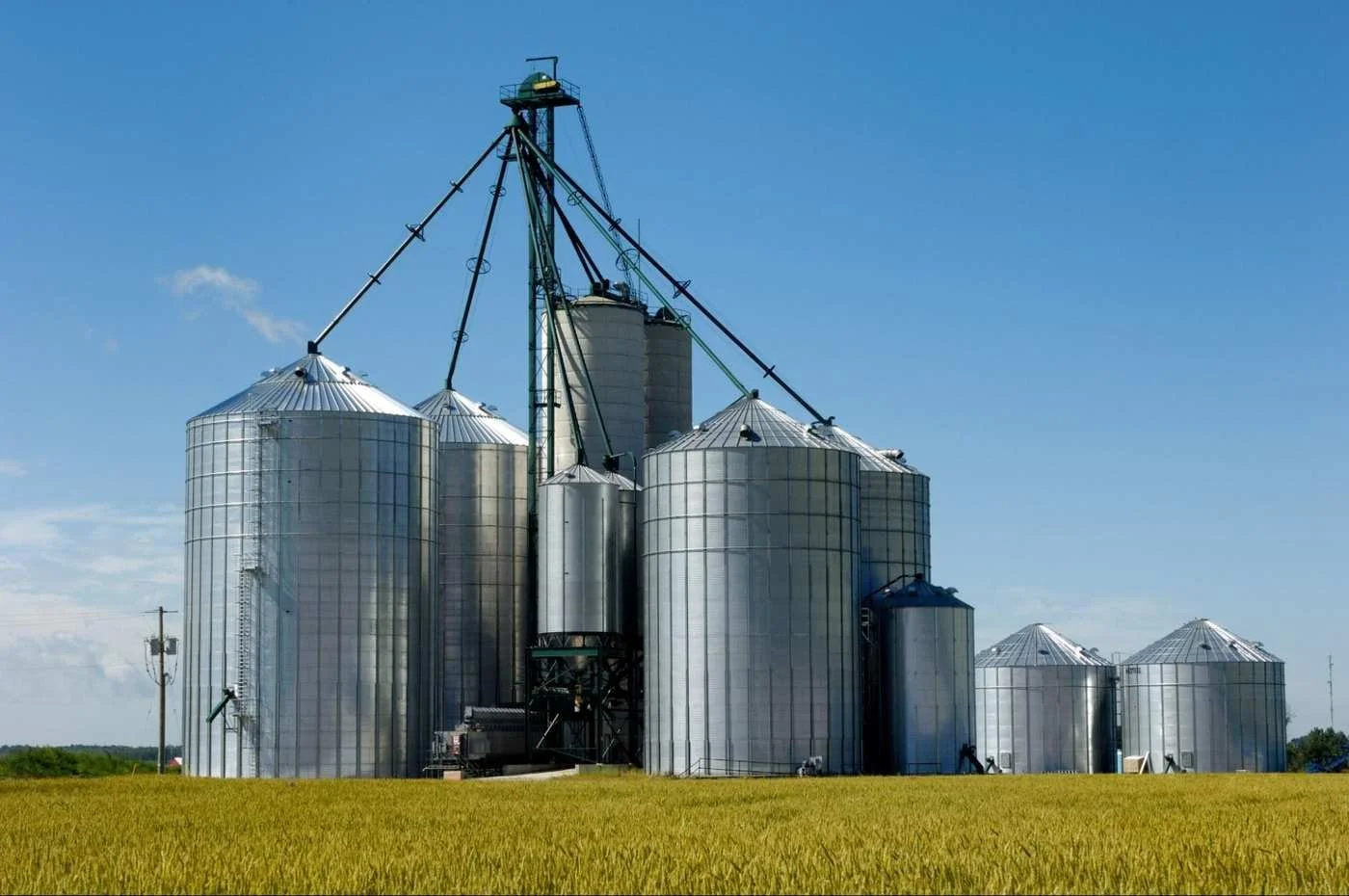
Article Overview:
Grain storage performance is not only about how much capacity you have. It depends on airflow, layout, handling efficiency, monitoring, and how well each part of the system works together. This article outlines practical grain storage ideas that help improve efficiency, reduce spoilage risk, and protect grain quality during storage.
Why Grain Storage Efficiency Starts With System Planning
Efficient grain storage starts before grain reaches the bin. It begins with how the site is laid out, how grain moves through the system, and whether storage, drying, handling, and monitoring are designed to work together.
Many storage issues come from systems that were added onto over time without a clear plan. A new bin here, a conveyor there, and a dryer added later can create extra handling, uneven flow, and unnecessary delays.
Most useful grain storage ideas focus on the whole operation. When each component supports the next, producers can move grain more efficiently, maintain better control, and reduce the risk of quality loss.
How Layout Changes Can Reduce Handling Time
Layout has a direct impact on daily efficiency. If grain has to move through too many transfer points, travel too far, or be handled multiple times, the system becomes slower and harder to manage.
A strong layout should support smooth movement from receiving to drying, storage, and unloading. Bin placement, conveyor routes, access points, and future expansion space all matter.
Reducing unnecessary grain movement saves time, limits wear on equipment, and helps protect grain condition. It also makes the system easier to operate during peak harvest when timing matters most.
Why Airflow Is Critical To Grain Quality
Airflow is one of the most important factors in reducing storage loss. Without consistent airflow, temperature and moisture can vary inside the bin, creating conditions where hotspots, condensation, and spoilage can develop.
Good airflow starts with proper fan sizing, floor design, and bin configuration. Air needs to move evenly through the grain mass, not just through the path of least resistance.
When airflow is properly planned, producers can maintain more stable storage conditions and reduce the risk of grain quality problems during long storage periods.
How Integrated Systems Improve Storage Performance
Storage does not work alone. Drying, handling, monitoring, and aeration all affect how well grain holds over time.
If drying capacity does not match storage capacity, grain may sit too long before conditioning. If handling systems are undersized, harvest movement slows. If monitoring is missing, internal grain issues may go unnoticed until quality has already dropped.
One of the most effective grain storage ideas is to treat the system as one connected operation. When storage, drying, and handling are aligned, grain moves more efficiently and quality is easier to protect.
The Role Of Monitoring In Reducing Loss
Monitoring gives producers better visibility into what is happening inside the bin. Temperature and moisture changes are not always visible from the outside, and surface checks do not show what is happening deeper in the grain mass.
Modern monitoring systems can help identify developing hotspots, track temperature trends, and support better fan control. This allows producers to respond early instead of reacting after spoilage has already started.
Used properly, monitoring helps reduce shrink, improve energy efficiency, and protect stored grain value.

A producer in a plaid shirt standing in a wheat field at sunset, using a tablet with a data dashboard to track temperature trends and monitor grain storage conditions for early risk detection.
Common Storage Problems That Start With Poor Design
Many storage losses are connected to early design decisions. When systems are not planned around real harvest conditions, small issues can become recurring problems.
Common problems include undersized storage capacity, poor airflow distribution, inefficient bin placement, unnecessary grain transfers, and no clear plan for future expansion.
These issues do not always show up immediately. They often become more obvious as operations grow, crop volumes increase, or storage periods become longer.
Planning Storage Around Future Growth
A storage system should not only solve today’s capacity problem. It should also support where the operation is headed.
Planning for expansion means leaving room for additional bins, higher capacity handling equipment, larger dryers, and upgraded monitoring systems. It also means thinking about how future additions will connect to the current layout.
Choosing the right structure is part of better system planning, which is why Types Of Grain Storage Structures And How To Choose The Right One is a useful next read for producers comparing flat bottom bins, hopper bins, smooth wall bins, and temporary storage options.
When future growth is part of the original plan, producers can avoid costly redesigns and keep the system efficient as acreage and production increase.
Practical Grain Storage Ideas Producers Can Apply
Some improvements require a full system redesign, but others start with better planning and management. Producers can improve storage performance by reviewing how grain moves through the yard, checking whether airflow is balanced, and identifying areas where handling steps can be reduced.
Other practical steps include grouping bins by crop type or storage timeline, improving access for loading and unloading, using monitoring data consistently, and reviewing whether current capacity matches peak harvest needs.
The goal is not just to add more storage. The goal is to build a system that moves, conditions, and protects grain efficiently.
Build Storage Around The Way Your Operation Runs
The strongest grain storage ideas come from understanding how your operation actually works during harvest and storage. Layout, airflow, handling, and monitoring all need to support the same goal: protecting grain quality while keeping the system efficient.
For producers thinking beyond today’s capacity needs, Scalable Grain Storage Systems: How To Grow Without Rebuilding explains how proper planning can support expansion without forcing a full system redesign.
If inefficient layout, poor airflow, or storage loss are limiting performance, reach out to Wall Grain to plan a system built around real Western Canadian conditions.