
Article Overview:
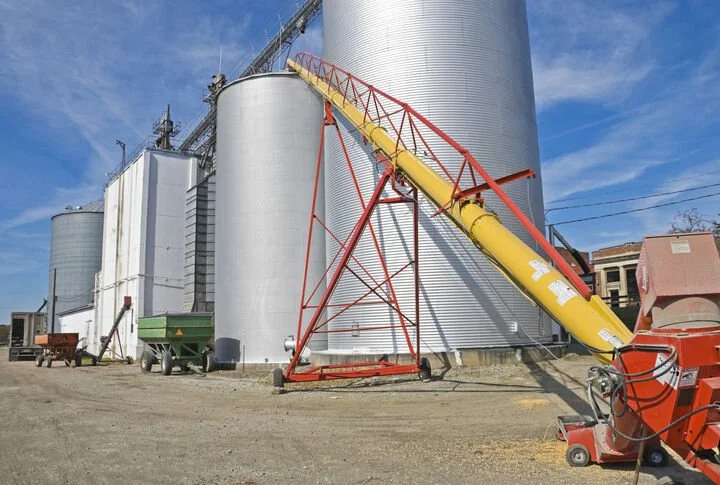
Two grain handling systems can have similar equipment yet perform very differently during harvest. The difference often isn't the brand of bin, conveyor, or dryer. It's how every component works together. Thoughtful grain handling system design considers layout, grain flow, drying, airflow, storage, and automation as one integrated system rather than a collection of individual products. This article explores what separates an average grain handling system from one that delivers greater efficiency, protects grain quality, and supports long-term profitability.
Great Grain Systems Start With Smart Design
When producers think about upgrading their operation, it's easy to focus on equipment specifications. Larger capacities, faster unloading speeds, or higher drying rates all sound impressive, but those numbers only tell part of the story.
A grain handling system performs best when every stage of the operation is planned to support the next. Receiving, drying, conveying, storage, and unloading should work together without creating delays or unnecessary grain movement.
This is why grain handling system design is about much more than selecting equipment. It is about creating a system that fits the way your operation works today while leaving room for tomorrow.
Layout Has a Bigger Impact Than Many Producers Realize
An efficient yard layout saves time every day during harvest. Poorly positioned bins, unnecessary conveyor runs, or awkward traffic patterns may seem like small inconveniences, but they add up over the course of a busy season. Every extra grain transfer increases labour, equipment wear, fuel consumption, and the potential for grain damage.
A well-planned layout keeps grain moving in the shortest, most efficient path possible while making future expansion easier.
If you're looking for practical ways to improve grain movement, read Efficient Grain Handling Systems: Ideas to Streamline Your Operation.
Airflow Protects Grain Long After Harvest
Moving grain efficiently is only part of the equation. Once grain enters storage, maintaining its condition becomes the priority.
Proper airflow helps control temperature and moisture throughout the bin, reducing the risk of spoilage, mold, insects, and quality loss. However, airflow performance depends on much more than installing fans. Bin size, grain depth, aeration design, and overall storage planning all influence how effectively air moves through stored grain.
An integrated grain handling system considers airflow from the beginning rather than treating it as a separate upgrade.
Learn more about how proper airflow supports smoother grain movement, reduces kernel damage, and helps maintain quality throughout the handling process in Air Grain Handling Systems: Improving Flow and Reducing Damage.
Drying Capacity Should Match Harvest Capacity
Many harvest delays occur when grain arrives faster than the dryer can process it. Wet grain begins to back up at receiving, trucks spend more time waiting to unload, and combines may have to slow down or stop. Once that happens, the problem affects more than the dryer. Conveyors sit idle, storage decisions become more difficult, and the entire flow of grain through the yard becomes less efficient.
Dryer capacity also needs to be considered alongside moisture levels, crop type, weather conditions, and the number of hours the system is expected to run each day. A dryer that performs well under average conditions may still fall behind during a wet harvest or when grain arrives in larger volumes than usual.
Rather than evaluating a dryer on rated capacity alone, grain handling system design considers how drying connects with receiving, wet holding, conveying, and final storage. The intake system must be able to move grain to the dryer efficiently, wet storage must provide enough buffer when delivery rates increase, and downstream equipment must be ready to move dried grain without creating another bottleneck.
A balanced system keeps grain moving at a steady pace from the field to storage. This reduces waiting time, makes better use of labour and equipment, and helps producers maintain harvest momentum when conditions are tight.
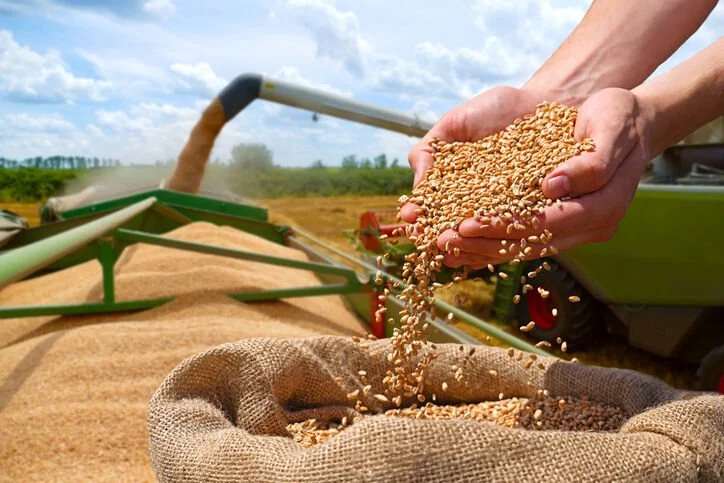
Harvested grain being transferred into storage, illustrating how grain handling system design supports drying capacity that matches harvest volume.
Automation Creates Better Decisions
Modern grain handling systems are becoming more intelligent, giving producers clearer visibility into what is happening inside each bin without relying entirely on manual checks.
Temperature monitoring, moisture tracking, automated fan control, and remote access make it easier to identify changing conditions before they become costly problems. Producers can review grain conditions from a central platform, receive alerts when readings move outside acceptable ranges, and adjust aeration without visiting every bin individually.
Automation also provides useful data that supports better day-to-day decisions. Instead of running fans on a fixed schedule, producers can respond to actual grain and weather conditions. This can reduce unnecessary energy use, limit over-drying and shrink, and help maintain more consistent grain quality throughout the storage season.
When automation is considered during the design phase, sensors, controls, electrical infrastructure, and system connections can be planned together. This makes future technology upgrades easier to implement and helps avoid costly modifications later.
Learn more about how Grain Management Systems give producers greater visibility, control, and confidence when managing stored grain.
Integration Is Where Real Efficiency Happens
The strongest grain handling systems are not necessarily the largest or most expensive. They are the ones where every component works together.
Instead of viewing storage, drying, conveying, and monitoring as separate investments, successful producers consider how each one contributes to the overall operation.
An integrated system offers several advantages:
Fewer harvest bottlenecks
More efficient grain movement
Better grain quality during storage
Lower operating costs
Easier future expansion
Greater return on every equipment investment
This systems-first approach often delivers greater long-term value than replacing individual pieces of equipment only when problems appear. By considering how every component affects overall performance, producers can address bottlenecks before they disrupt harvest, avoid upgrades that create new limitations elsewhere, and make investments that continue to support efficiency, grain quality, and future expansion.
Design for the Farm You'll Have Tomorrow
Every operation evolves. Acres increase, equipment changes, yields improve, and new technology becomes available. Grain handling infrastructure should be ready to evolve alongside it.
Good grain handling systems solve today's challenges. Great grain handling systems are designed to solve tomorrow's as well.
If you're planning an upgrade or building new infrastructure, investing in professional Grain Handling System Design helps ensure every component works together to support efficiency, grain quality, and long-term growth.
Contact Wall Grain to plan a grain handling system that works as one complete operation and supports your farm for years to come.
