
Efficient Grain Handling Systems: Ideas To Streamline Your Operation
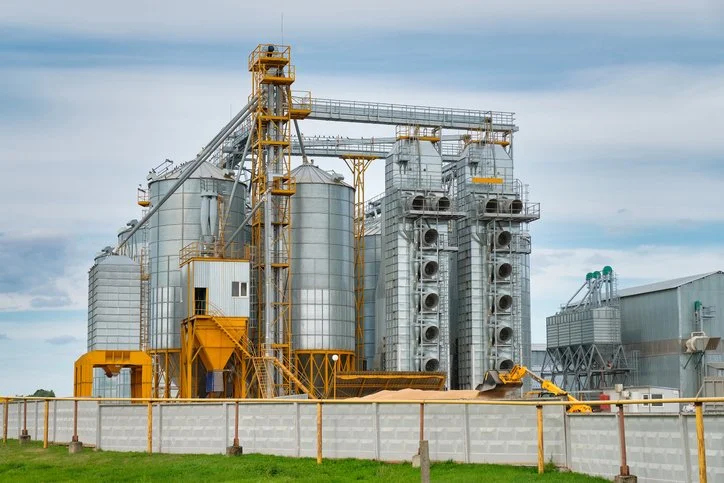
Article Overview:
Efficient grain handling systems play a major role in reducing downtime, improving safety, and keeping harvest moving during the busiest times of the year. For Western Canadian producers managing large volumes of grain, poorly designed handling setups can quickly become a bottleneck that affects overall productivity. This article explores practical grain handling ideas, explains how grain conveying systems work together, and outlines what makes an efficient grain handling program for modern farm operations.
What Are Grain Conveying Systems And Why Do They Matter?
Grain conveying systems are the equipment and infrastructure used to move grain from one point to another across the farm. This includes transferring grain from combines to trucks, trucks to bins, bins to dryers, and storage to loadout. Every movement introduces an opportunity for delay, spillage, or equipment strain if the system is not designed correctly.
An efficient grain conveying system ensures smooth, consistent flow with minimal handling steps. When grain moves predictably through augers, conveyors, and transfer points, producers reduce wear on equipment and avoid unnecessary stops. Over the course of a harvest season, even small inefficiencies can add up to lost time and increased operating costs.
How Do Poor Handling Systems Create Bottlenecks During Harvest?
Handling inefficiencies often show up when harvest pressure is at its highest. Long truck wait times, overloaded augers, or slow transfers force combines to stop while grain backs up at the yard. These delays reduce harvest efficiency and increase fuel, labour, and equipment wear.
Common issues include mismatched equipment capacities, poorly placed transfer points, and systems that were expanded over time without a cohesive plan. As farms grow, grain handling systems must evolve with higher volumes and faster harvest speeds. Without a clear strategy, even quality equipment can underperform.
What Grain Handling Ideas Help Improve Efficiency?
Improving grain handling does not always mean replacing everything at once. Often, targeted upgrades and better system layout deliver immediate results. Grain handling ideas should focus on reducing handling steps, matching equipment capacity, and improving flow consistency.
Producers often see gains by simplifying grain movement paths and eliminating unnecessary transfers. Aligning bins, dryers, and loadout points so grain moves in a logical sequence reduces congestion and improves safety. Using enclosed conveyors where appropriate can also reduce grain damage and spillage compared to older handling methods.
How Do Modern Grain Conveying Systems Improve Flow And Reliability?
Modern grain conveying systems are designed for higher capacity, smoother movement, and lower maintenance. Equipment from providers such as RAD and Walinga is built to handle large volumes while maintaining consistent flow rates. These systems reduce grain breakage and support faster transfer speeds without overloading components.
Well designed conveying systems also improve flexibility. Producers can move grain efficiently between storage, drying, and loadout without reconfiguring equipment or relying on temporary solutions. This consistency is especially important during short harvest windows when every hour counts.
What Makes An Efficient Grain Handling Program?
An efficient grain handling program is not just about individual pieces of equipment. It is about how the entire system works together. From intake to storage to shipping, every step should support continuous movement with minimal manual intervention.
Key elements of an efficient grain handling program include:
Equipment capacities that are matched across the system
Logical layout that minimizes travel distance and transfer points
Reliable conveying systems built for high throughput
Integration with drying and storage infrastructure
Safe access and clear traffic flow for trucks and equipment
When these elements align, producers experience fewer delays, lower labour demands, and more predictable harvest operations.
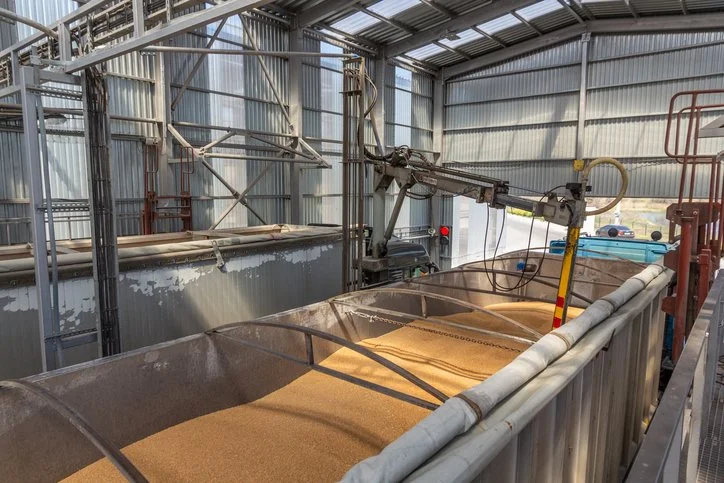
Continuous flow grain dryer facility showing consistent drying for large-scale farm operations.
How Does Equipment Selection Affect Long Term Performance?
Choosing the right handling equipment affects not only harvest speed but also long term reliability. Systems that are undersized or pushed beyond their design limits tend to experience higher wear and more frequent breakdowns. Over time, this increases maintenance costs and reduces overall system life.
High capacity grain conveying systems designed for continuous use are better suited for modern Western Canadian farms. They provide stable performance under heavy loads and integrate more easily with automated storage and drying systems. Proper equipment selection also supports future expansion, allowing operations to grow without major system redesigns.
Why Is System Integration So Important For Large Operations?
Large farms often manage multiple bins, dryers, and loadout points across a single yard. Without proper integration, grain handling becomes fragmented and inefficient. Grain may need to be moved multiple times, increasing labour and equipment wear.
Integrated systems allow grain to move seamlessly between stages. Conveying equipment works in coordination with dryers, bins, and monitoring tools so operators can focus on harvest rather than troubleshooting flow issues. This approach supports better decision making and more consistent throughput during peak periods.
How Do Grain Handling Systems Improve Safety On The Farm?
Efficient grain handling systems also improve safety. Reducing manual handling and unnecessary equipment movement lowers the risk of accidents. Well designed layouts limit congestion in the yard and provide clear access for trucks and operators.
Modern conveying systems often reduce the need for portable augers and temporary setups, which are more prone to tipping and mechanical issues. Fixed, properly installed equipment creates a safer working environment and supports long term operational reliability.
Why Should Producers Review Their Grain Handling Setup Regularly?
Farm operations change over time. Acreage increases, crop mixes evolve, and harvest speeds improve. Grain handling systems that worked well ten years ago may no longer meet today’s demands. Regularly reviewing system performance helps identify bottlenecks before they become costly problems.
Producers who take a proactive approach to grain handling often find opportunities to streamline operations, reduce downtime, and improve overall efficiency. Even small adjustments can deliver meaningful improvements during harvest.
How Do Efficient Grain Handling Systems Support Long Term Success?
Efficient grain handling systems are a foundation of productive farm operations. By investing in well planned grain conveying systems and practical grain handling ideas, producers gain control over one of the most time sensitive parts of harvest.
A strong handling program reduces stress during peak seasons, protects grain quality, and supports consistent throughput year after year. For Western Canadian farms managing high volumes and tight harvest windows, efficient grain handling is not optional. It is essential.
To continue learning about system efficiency and automation, read our article: How Automated Grain Management Systems Are Changing On-Farm Storage.
If you are planning to update or upgrade your grain handling operation, reach out to our experts for experienced guidance on building an efficient grain handling program that fits your farm.