
Why Some Grain Handling Projects Deliver Better ROI Than Others
Article Overview:
Two grain handling projects can use similar equipment and require similar capital investment yet produce very different returns. Grain handling ROI depends on more than equipment price. System planning, equipment selection, integration, labour efficiency, grain quality protection, and room for future expansion all influence how much value a project delivers over its working life. This article explains why some projects create stronger long term returns and what producers should evaluate before investing.
Why Does Grain Handling ROI Depend On More Than Purchase Price?
The lowest equipment quote does not always produce the lowest operating cost. A project may look economical at purchase but become expensive if the layout creates extra transfers, truck delays, repeated auger moves, or another bottleneck elsewhere in the system.
Strong returns come from solving the right operational constraints. Receiving, drying, conveying, storage, monitoring, and loadout need to support one another so an improvement in one area does not create a limitation somewhere else.
How Does System Planning Influence Long Term Return?
Good planning starts with the way grain actually moves through the operation. Equipment capacity, site layout, traffic flow, power requirements, and future expansion should be considered before individual components are selected.
A Grain Handling System Design approach considers how receiving, drying, conveying, storage, and loadout work together across the operation. Looking at the full grain path can help identify where investment is most likely to reduce delays, unnecessary handling, and costly rework later.
For operations that may not need a full rebuild, our article Grain Storage Optimization: Improving Performance Without Major Upgrades explains how targeted changes can improve existing system performance.
How Does Equipment Selection Affect Grain Handling ROI?
Equipment should be selected based on how the operation actually runs, not just on capacity ratings or purchase price.
A larger conveyor offers little value if the receiving system cannot keep it supplied. A higher capacity dryer can still sit idle if downstream handling is undersized. Equipment that is difficult to service or not well matched to the crop mix can also add labour, increase downtime, and reduce overall efficiency.
The best fit balances throughput, reliability, grain quality, serviceability, energy use, and how well each component works with the rest of the system.
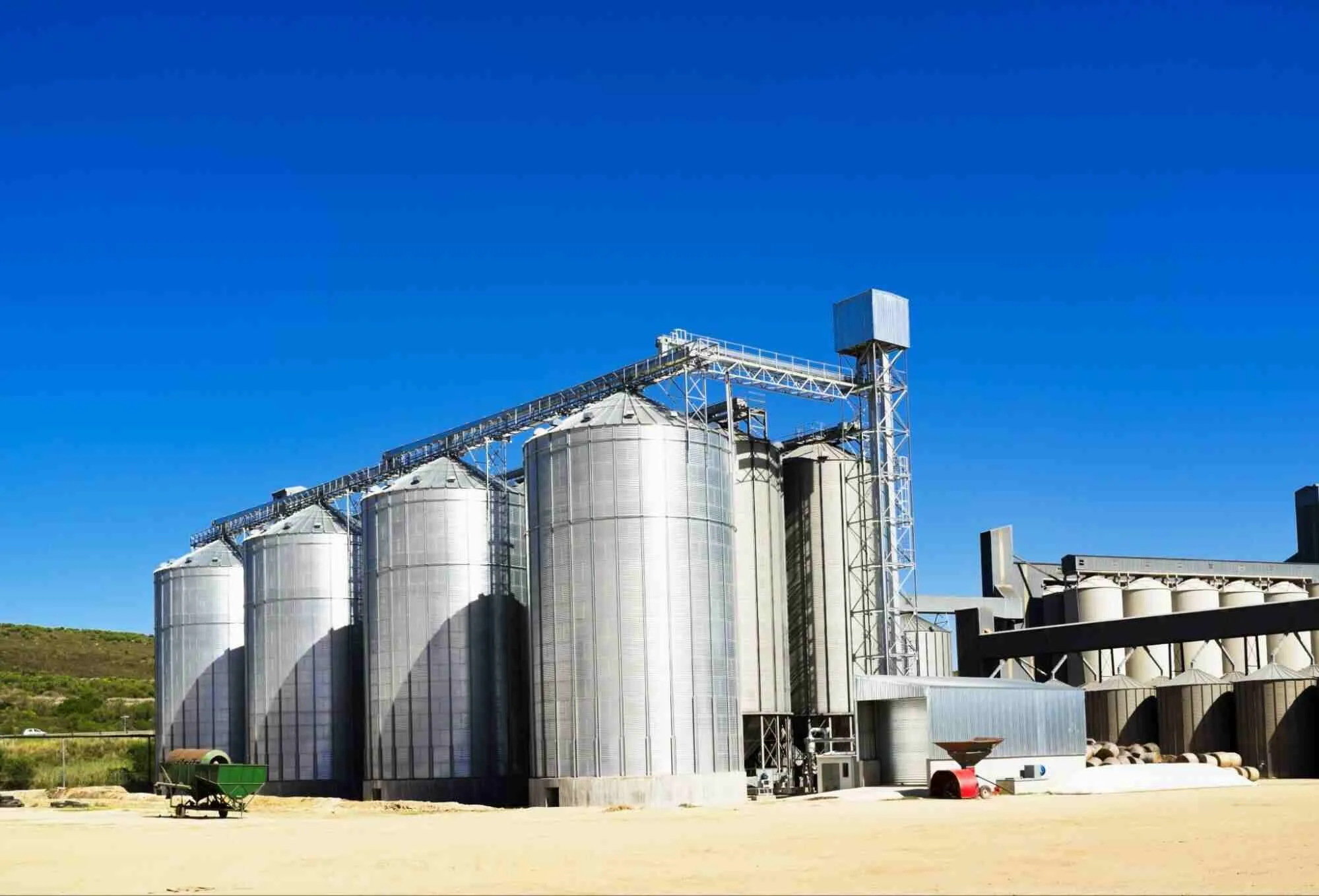
Grain handling ROI represented by modern grain storage bins connected with an integrated conveyor and handling system.
What Factors Create Better Grain Handling ROI?
Projects with stronger returns usually reduce recurring operating costs while protecting grain value.
Important return drivers include:
Fewer harvest bottlenecks and shorter truck wait times
Less unnecessary grain transfer and equipment movement
Lower labour demands for routine handling and monitoring
Better protection against grain damage, spoilage, shrink, and quality loss
Equipment sized to work together at realistic peak capacity
Layouts that allow storage and handling capacity to expand later
These benefits continue after installation, which is why initial equipment price alone provides an incomplete picture of project value.
What Does A Better ROI Project Look Like In Practice?
Consider two farms adding handling capacity before harvest. One selects equipment mainly on purchase price and fits it into the available yard space. The conveyor is faster, but trucks still wait because receiving capacity is unchanged, and grain requires another transfer to reach several bins.
The second farm evaluates receiving, conveyor capacity, bin access, and future expansion together. Its initial investment may be higher, but simpler routing and fewer transfers reduce labour and handling time every harvest.
This example shows why return comes from how the complete system performs rather than one equipment specification.
How Does Integration Protect Grain Value?
Grain handling ROI is not determined only by how efficiently grain moves through the system. It also depends on how well that grain is protected once it reaches storage. Temperature changes, moisture movement, and delayed aeration can reduce grain quality and value even when receiving, drying, and conveying are working efficiently.
Monitoring and automated control give producers better visibility into changing storage conditions and can reduce the need for repeated manual checks. Our article How Automated Grain Management Systems Are Changing On-Farm Storage explains how automation can support more consistent grain management and help extend the value of the investment beyond the handling system itself.
Grain Management Systems can improve grain handling ROI by giving producers better visibility into stored grain conditions and supporting more targeted fan operation. This can reduce unnecessary energy use, limit manual checks, and help protect grain quality during storage.
Why Does Future Expansion Matter To ROI?
A system that fits today but requires major relocation or reconstruction when the farm grows can reduce the return on the original investment.
Future bin locations, conveyor routes, electrical service, dryer capacity, and monitoring infrastructure should be considered early. Planning these details allows upgrades to happen in stages while keeping existing equipment useful as throughput increases.
How Can Producers Build For Better Long Term Return?
The best grain handling projects are not necessarily the least expensive or the largest. They solve the right constraints, protect grain quality, reduce recurring operating effort, and continue supporting the farm as production changes.
Grain handling ROI improves when design, equipment selection, integration, and future expansion are treated as one investment decision. Reach out to Wall Grain to plan a grain handling system around efficient flow, dependable equipment, and long term operational value.
