
What Happens When Grain Drying Capacity Becomes the Bottleneck?
Article Overview:
Grain drying capacity can determine how quickly harvest moves from the field into safe storage. When a dryer cannot keep pace with receiving, wet holding fills, trucks wait, combines slow down, and costs rise. This article explains how drying bottlenecks affect harvest flow and grain quality, how to identify the true constraint, and when an upgrade may be justified.
Why Does Drying Become the Bottleneck?
A grain dryer is only one stage between harvest and storage, but moisture removal takes time. Receiving may unload grain quickly and conveyors may move high volumes, yet the dryer still has to bring grain to the required moisture level before it can move into final storage.
Wetter grain takes longer to process, and a system that keeps pace in an average year may fall behind when incoming moisture or daily harvest volume increases.
That is why rated bushels per hour only tell part of the story. Grain drying capacity should be evaluated against the conditions the operation regularly faces during peak harvest.
A Drying Bottleneck Affects the Entire Harvest
When grain arrives faster than it can be dried, the slowdown spreads through the operation. Wet holding begins to fill, trucks wait longer to unload, and combines may eventually have nowhere to send grain.
Consider a farm that adds acres and moves to a higher capacity combine while keeping the same dryer. During a wetter fall, wet storage fills before the harvest day is finished. Trucks begin waiting, and the combine slows even though field conditions remain favourable.
The issue is not harvesting capacity. It is the mismatch between harvest pace and drying throughput.
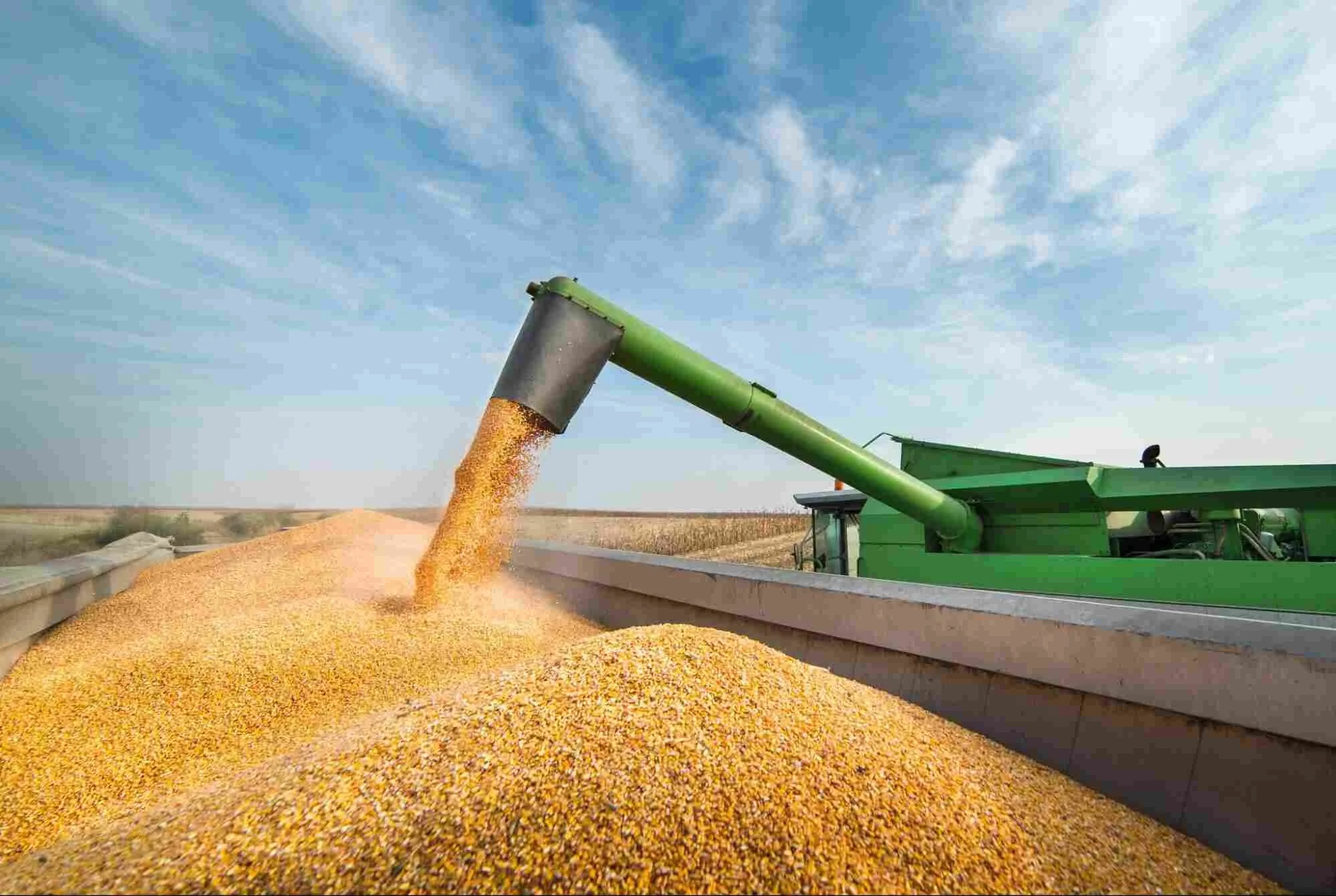
Grain unloading during harvest, showing how a drying bottleneck can affect grain flow.
How Can You Tell If Grain Drying Capacity Is Too Low?
Repeated backup ahead of the dryer is one of the clearest signs, especially when the rest of the system still has available capacity.
| Planning Factor | What It Can Reveal |
|---|---|
| Harvest intake rate | Whether grain is arriving faster than the dryer can process it |
| Incoming and target moisture | How much moisture must be removed under difficult conditions |
| Wet holding capacity | How long receiving can continue before storage fills |
| Dryer operating hours | Whether throughput depends on extended operation |
| Downstream handling | Whether dried grain can leave the dryer without another delay |
| Future harvest pace | Whether current capacity will remain adequate as production increases |
Looking at these factors together helps separate a true drying constraint from a receiving, handling, or storage problem.
Drying Bottlenecks Increase Costs and Quality Risk
Limited drying capacity increases costs through truck and combine waiting, added labour, equipment hours, temporary storage, and extra grain transfers.
Grain quality can also come under pressure. Trying to push more grain through the system may lead to inconsistent moisture targets or unnecessary overdrying. Wet grain held longer than planned also requires careful management.
The longer grain waits ahead of the dryer, the more attention the operation must give to temporary storage conditions, grain temperature, and moisture. That added management can increase labour demands and make harvest decisions more complicated at exactly the time when field conditions are already putting pressure on the operation.
Once grain moves into storage, Grain Management Systems can help producers monitor temperature and moisture conditions and manage aeration more precisely. This supports better post-drying grain condition and helps protect quality through the storage period.
For a broader look at throughput, moisture removal, and commercial dryer planning, read our article Commercial Grain Dryers: What Large Operations Need to Know to help evaluate dryer performance around real harvest demands rather than rated capacity alone.
The Dryer Has to Match the System Around It
A larger dryer delivers the most value when the rest of the system can support its capacity. Receiving needs to keep grain moving into the dryer, while downstream handling must be ready to move dried grain efficiently into storage.
A well-planned Grain Drying System considers wet holding, utilities, unloading, cooling, aeration, and final storage together so drying capacity can be used effectively throughout harvest.
That same systems-first approach is central to Grain Handling System Design, which looks at receiving, drying, conveying, storage, and future expansion as one connected process. This helps maintain steady grain flow and keeps each part of the operation working at compatible capacities.
When Is a Dryer Upgrade Justified?
An upgrade becomes easier to justify when drying repeatedly limits harvest under normal operating conditions rather than during one unusual season.
If wet holding regularly fills before the planned harvest day is finished, trucks or combines are frequently waiting, or the dryer must operate well beyond the preferred schedule to keep up, current capacity may no longer match the operation.
Growth can also change the equation. Added acres, higher yields, or a faster combine can increase daily grain volume enough to make an existing dryer undersized, even if it performed well in previous years. Downtime and integration problems can create the same effect by reducing the dryer’s practical throughput below its rated capacity.
Dryer configuration matters as well as size. The article Mixed Flow Grain Dryers: How They Work and Where They Fit explains how mixed flow designs distribute air and heat and why they can suit operations that regularly handle wetter grain or prioritize drying uniformity.
Build Capacity Around the Real Constraint
A drying bottleneck is rarely just a dryer problem. It is usually a sign that harvest intake, drying throughput, wet holding, and downstream handling are no longer working at compatible rates.
Before investing in more capacity, producers should look at how grain moves through the full system. That means understanding how quickly grain arrives, how much moisture must be removed, how long wet holding can absorb peak volumes, and whether conveying and storage can keep pace once grain leaves the dryer.
The goal is to build the right amount of usable drying capacity to keep harvest moving efficiently, protect grain quality, and support balanced performance across the entire operation.
Wallgrain Handling Systems has worked with Western Canadian producers since 1984, planning drying, storage, and handling systems around real operating demands and long-term growth.
Contact Wall Grain to evaluate where drying is limiting your operation and plan a system that supports efficient harvest flow, grain quality, and long-term performance.
